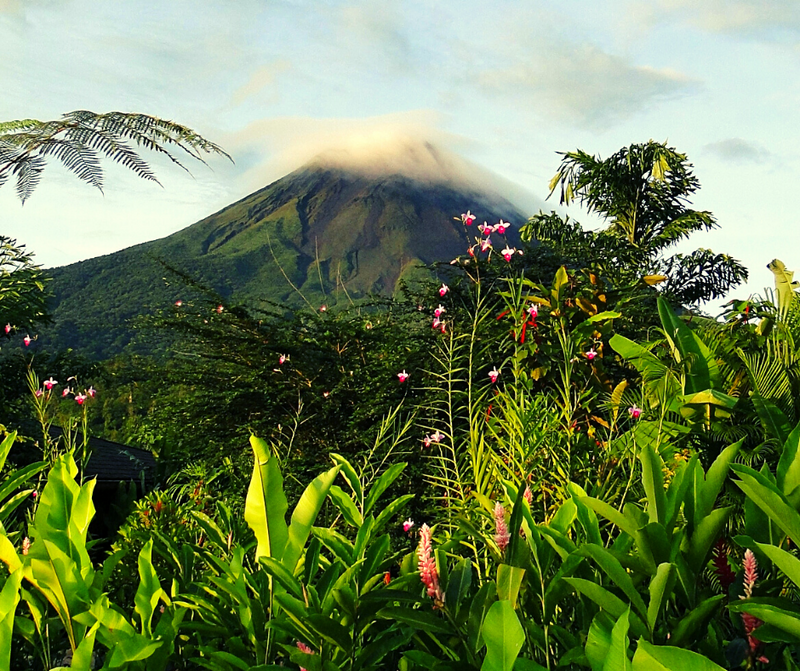

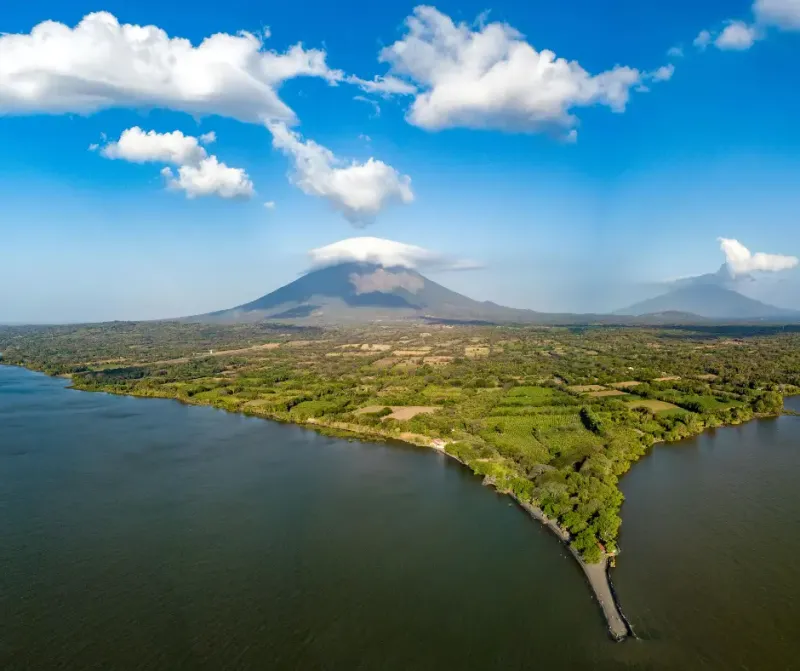
Wedged between Costa Rica and Honduras, and between the Caribbean and the Pacific, Nicaragua is the less famous sibling of well-traveled Costa Rica. It has dry forests, rainforests, and cloud forests, 24 volcanoes, the largest lake in Central America, and Pacific surf that costs half as much as it does across the border.
It is also a country you should read about carefully before you book, because a lot has changed since most guides were written.
The government has grown more authoritarian. Western travel advisories now name wrongful detention, not just crime. The residency routes that once made Nicaragua an easy long-term base were gutted in late 2024. Visa rules were overhauled in early 2026. And the nomad scene has moved: the colivings that anchored Granada and San Juan del Sur have closed or thinned, and the community that remains has gathered around a surf beach called Popoyo.
None of that makes Nicaragua unvisitable. People are there right now, working, surfing, and living well on very little. But the practical advice written even two years ago is out of date, and this guide is the current version.
🌱 Travel health insurance for Nicaragua
🎯 Nicaragua at a glance
| 🛂 Visa | Visa-free 90 days for EU, US, UK, Canada, Australia, Japan and most Western passports. $10 tourist card on arrival |
| ⚠️ Advisories | US Level 3 Reconsider Travel, citing wrongful detention. Canada warns the 90 days is discretionary |
| 💻 Nomad visa | None. Residency routes were gutted in November 2024 |
| 💶 Monthly budget | €450 in León to €1,100 in Popoyo |
| 🌤 Best time | November to April dry season. Surf is best March to October |
| 🏙 Top areas | Popoyo, Granada, San Juan del Sur, León, Ometepe |
| 🛜 Internet | Patchy outside colivings with fiber and a generator. Pick accommodation for this first |
| 🗣 Language | Spanish. English is limited outside tourist businesses |
| 💱 Currency | Córdoba (C$). US dollars are widely accepted |
⚠️ What other governments say
Western governments disagree about how worried to be, and it is worth knowing where they differ.
- On everyday safety, the Europeans are relaxed. Germany's Foreign Office says the situation is currently calm and that crime is low by Latin American standards, though rising. Austria rates the whole country at its second-lowest risk level. The realistic risks they name are petty theft at tourist spots and bus stations, motorcycle robberies, and a chikungunya outbreak in Managua in August 2026.
- The US is more alarmed. Its advisory sits at Level 3, Reconsider Travel, and names wrongful detention and arbitrary enforcement of the law. Canada warns the 90-day stay is discretionary and travelers may face lengthy questioning at the border.
- On one point, all of them agree. Germany, Austria, Switzerland, Canada and the US each say that Nicaragua's security services detain people for political reasons, sometimes foreigners, and sometimes prevent them from leaving. Switzerland spells out the rule the others imply: political activity is prohibited for foreigners, including political statements on social media.
- What this looks like on the ground. Tourists are not the target. The people detained have been journalists, NGO workers, clergy, and Nicaraguans returning from abroad. But the environment that produces those detentions also produces an unpredictable border, and a legal system that will not reliably protect you if something goes wrong.
The practical rules are the same whichever advisory you trust:
- Do not discuss politics with strangers, and do not post about Nicaraguan politics while you are in the country. Switzerland says this is prohibited, not just unwise.
- Do not photograph police, military, government buildings or demonstrations.
- Keep your passport and entry stamp safe. You will be asked for both on exit.
- Pre-register your trip with Nicaraguan immigration, which the government recommends, and with your own embassy if it offers that.
- Carry travel health insurance that includes evacuation. Healthcare is limited, and every advisory says so.
Handled that way, Nicaragua is for most visitors what the Germans say it is: calm, cheap, and low-crime. The caveats are real, but they are specific.
🛂 Entry requirements for Nicaragua
Nicaragua overhauled its visa rules on February 16, 2026, under Immigration Provision 002-2026. The change ended visa-on-arrival for more than 120 nationalities and replaced it with a "consulted visa" requiring approval from Managua before travel.
Most Western passports are unaffected. Nationals of EU member states, the UK, US, Canada, Switzerland, Australia, New Zealand and Japan remain visa-exempt for up to 90 days. Mexico and Peru were moved to the restricted list, so check your own nationality against the current list rather than assuming.
Everything else:
- Tourist card: $10, paid in cash on arrival, for all visa-exempt nationalities except Salvadorans, Guatemalans, and Hondurans.
- The 90 days is discretionary. The officer writes the number of days on your entry stamp, and it may be fewer. Ask politely if it is less than you need.
- Pre-registration: the government recommends registering your trip in advance through the Ministry of the Interior portal. Canada advises submitting at least seven days before departure. Not mandatory for tourists, but it smooths the border.
- Passport validity: at least six months.
- Onward ticket: routinely asked for.
- CA-4: Nicaragua shares a border agreement with Guatemala, Honduras, and El Salvador. Your 90 days is for all four combined, and time spent in one counts against the others.
💻 Does Nicaragua have a digital nomad visa?
No, and the routes that used to substitute for one have largely closed.
Until late 2024, Nicaragua's pensionado and rentista residencies were among the easiest in the Americas: low income bars, permanent status, tax exemptions on foreign income, and a path to citizenship. Ley 1228, published November 29, 2024, repealed that framework. Residence for pensionados and rentistas is no longer permanent. The three-year route to permanent residency was eliminated. The customs and tax exemptions went with it. Applications must now be made in person at immigration in Managua rather than through consulates.
What remains is the tourist route: 90 days, discretionary, renewable once in country for a fee, or reset by leaving the CA-4 zone. For most nomads, that is enough, and it is why Nicaragua works as a stop rather than a base.
If you want to stay longer term, the honest advice is a Nicaraguan immigration lawyer and realistic expectations.
 Sarah Kuhlemann
 Sarah Kuhlemann
✈️ How to get to Nicaragua
- Managua International (MGA) is the only practical international gateway. Direct flights are available from Miami, Houston, Atlanta, Panama City, San Salvador, Guatemala City, and Mexico City. From Europe, connect through the US or Panama.
- Overland from Costa Rica via Peñas Blancas is the classic route, cheap and slow. Budget a full day for the border crossing, and expect the Nicaraguan side to be thorough.
- Overland from Honduras via El Guasaule or Las Manos, less used and less comfortable.
- Airport transfer: a taxi from MGA into Managua runs €8 to €15. Agree the fare before getting in. Shuttles to Granada or San Juan del Sur can be booked in advance and cost €25 to €45.
🗺 Where to base yourself
Popoyo is where the nomad scene actually is in 2026, and the current guides have not caught up. A stretch of Pacific coast in Tola with world-class surf, a small cluster of colivings built specifically for remote workers, and, crucially, the country's most reliable internet, because those colivings run fiber with backup systems and generators. It is remote: one road, a few restaurants, a daily veggie truck, and Rivas an hour away for anything else. Reviewers who stay a month leave reluctantly. If you want community and you can work with limited town, this is the place.
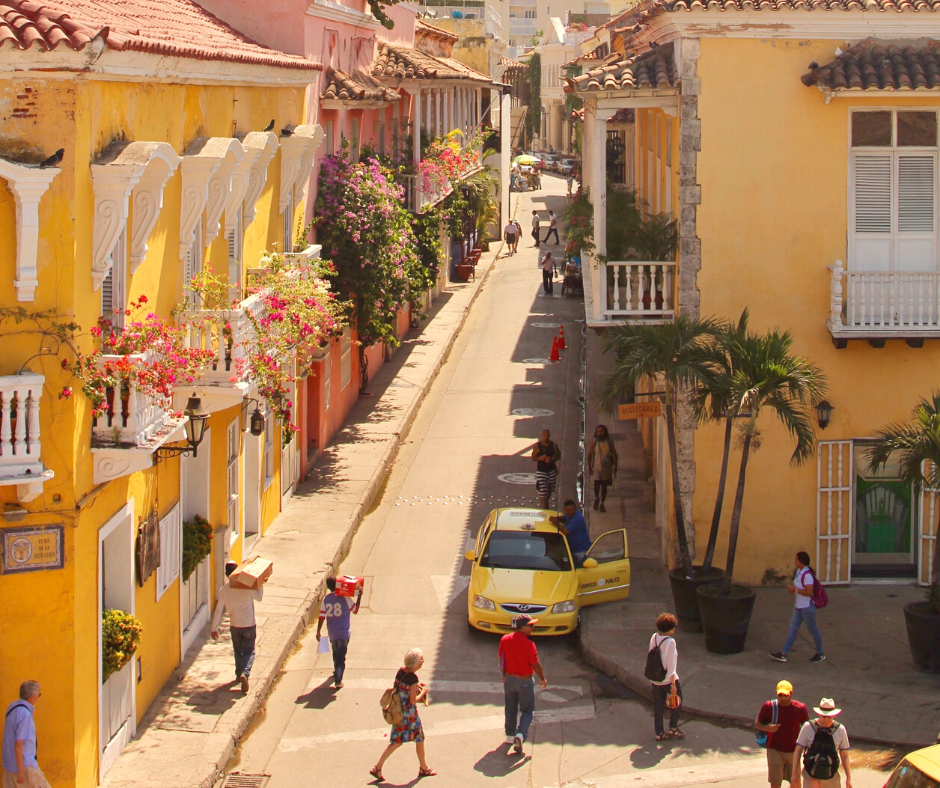
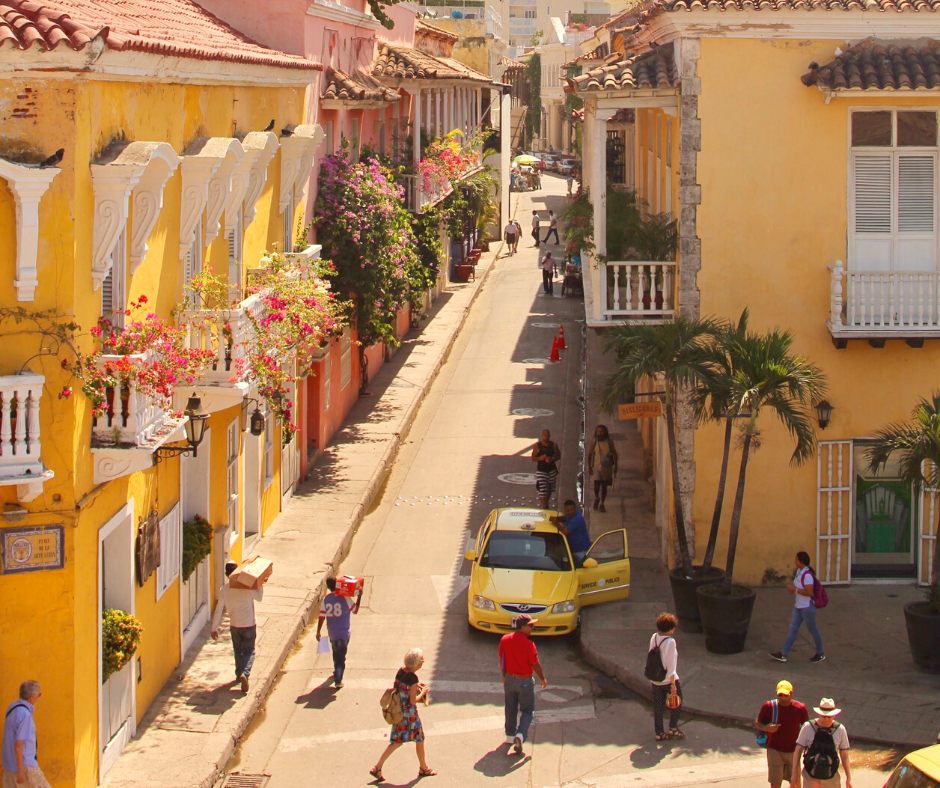
Granada is the colonial jewel: Andalusian-style painted houses, cobblestones, a cathedral square, Lake Cocibolca at the end of the street. The cost of living is among the lowest for any city this beautiful anywhere. What has changed is the nomad infrastructure. Come for the town rather than the scene, and expect to build your own routine.
San Juan del Sur is the Pacific beach town, three hours from Managua, with surf beaches to the north and a walkable center. Outsite still runs a genuinely good coliving here, on the hill above town. Socialtel is reviewed as half-booked and quiet. The town works well for a couple of weeks; the sociable version of it has moved north to Popoyo.
León is the intellectual and political capital, a university city with the largest cathedral in Central America, a rooftop you can walk on, and Cerro Negro for volcano boarding an hour away. Cheaper than Granada, hotter, grittier, and with more locals than tourists in every café. Coworking is thin, but the cafés are used to laptops.
Ometepe is the twin-volcano island in Lake Cocibolca, reached by ferry from San Jorge near Rivas. Slow, green, and not built for remote work: internet is unreliable and power cuts are normal. A week here between work bases, not a base itself.
Managua is where you land and where you leave. It has the country's best coworking and the only reliable hospitals, and almost nothing else a nomad wants. Los Robles and Altamira are the neighborhoods if you need a few nights.
💶 How much does it cost?
| Per month | León | Granada | San Juan del Sur | Popoyo |
|---|---|---|---|---|
| Room or 1BR | €200–350 | €250–450 | €350–600 | €500–800 |
| Coworking | €30–60 | €60–120 | €80–150 | Included in coliving |
| Food | €150–220 | €170–250 | €200–300 | €200–320 |
| Transport | €15–30 | €20–40 | €40–80 | €50–100 |
| Realistic total | €450–700 | €500–850 | €650–1,100 | €750–1,200 |
Nicaragua is the cheapest country in Central America by a clear margin. A comida corriente, the set lunch, is €3 to €4. A local beer is €1 to €1.50. A chicken bus across half the country costs less than a coffee in Costa Rica. Popoyo costs more than its size suggests because everything is trucked in and the colivings are built for foreigners.
Cash matters. Cards work in Managua, Granada's better restaurants and the colivings. Everywhere else it is cash, in córdobas or US dollars, and ATMs are scarce outside the cities. Carry more than feels comfortable.
Sarah Kuhlemann
🧑🏻💻 Where to work from
Popoyo
- Waves & Wifi on Calle Guasacate in Las Salinas: coliving and coworking with rooms, an on-site café, bikes for rent, and the most reliable internet in Nicaragua, consistently over 70 Mbps with multiple backups and a generator that kept the workspace running through neighborhood power cuts. Open 24 hours. Reviewers who stayed a month or more describe a real community and leaving reluctantly. If you are coming to Nicaragua to work, this is the reason.
- ESC on the Astillero road: coworking with a café, a pool, a backup generator and meal plans for longer stays. Small, quiet, welcoming. Open 07:00 to 18:00 daily.
Granada
- Casa Bloom, a ten-minute walk from the center: coworking with air conditioning, a hostel attached, a pool, and a well-stocked kitchen. Owners reachable on WhatsApp around the clock. Reviewers note it is very quiet, which suits focus and does not suit anyone looking for a scene. Day passes are around €13, which one reviewer found steep for Nicaragua. Open 07:30 to 19:00 weekdays, 09:00 to 17:00 weekends.
San Juan del Sur
- Outsite Nicaragua, on the hill at Santa María Resort: shared villas with a clubhouse for working, sunset views over the bay, a café, a pool and a small gym. A three-minute walk into town, ten to the nearest beach. Internet is reliable for calls. The strongest reviews of anything in San Juan del Sur, and part of the Outsite network so one membership covers their other locations.
- the SPACE Jungle Oasis on the Chocolata road: hostel with a coworking room with air conditioning, free yoga some seasons, and shuttles into town. Reviews are mixed on staffing and maintenance. Fine for a few days.
Managua
- NUMU Coworking & Tech Hub: the best coworking in the country by some distance, with multiple work zones, meeting rooms, a photo and video studio, a silence room and a nap room. Described by one reviewer who has used forty coworking spaces worldwide as having everything they could dream of. Weekdays 08:00 to 18:00. If you have to be in Managua, work here.
León and Ometepe
No dedicated coworking worth naming in either. León's cafés around the cathedral are used to laptops, and the Sesteo on the square has decent wifi. On Ometepe, work from your accommodation and choose it for the connection.
👥 Finding the community
Be honest with yourself about what Nicaragua offers here in 2026. The community that existed around Selina in Granada and San Juan del Sur has dispersed. What remains is small, and it has gathered in one place.
Popoyo has it. Waves & Wifi and ESC between them host a rotating group of remote workers who surf in the morning and work in the afternoon, and the reviews describe genuine friendships forming over a month. If community is your priority, go there.
Elsewhere, you build your own. Granada and San Juan del Sur have expat populations, mostly older and mostly settled, and Facebook groups for each town are where they organize. The San Juan del Sur Sunday Funday pool crawl still runs and still draws backpackers, if that is your speed.
For how to turn the people you meet into friends, our guide to making friends as a nomad applies here as much as anywhere.
Sarah Kuhlemann
🛜 Internet and SIM cards
Nicaragua's connectivity is the weakest of any country in this guide's Latin America set, and it is the reason to choose your accommodation carefully.
Fixed broadband averages somewhere around 40 Mbps in the cities and drops off sharply outside them. Power cuts are normal, several a week in some areas, and most places have no backup. That is why the Popoyo colivings, with fiber, multiple providers and generators, punch so far above their weight.
Claro and Tigo are the operators. Claro has the wider coverage. SIMs are available at the airport and any corner shop, prepaid data is cheap, and both work as a hotspot when the wifi goes. Bring your passport to register.
🌤 When to come
| J | F | M | A | M | J | J | A | S | O | N | D | |
|---|---|---|---|---|---|---|---|---|---|---|---|---|
| Pacific & Granada | ☀️ | ☀️ | ☀️ | ☀️ | 🌧 | 🌧 | ⛅ | ⛅ | 🌧 | 🌧 | ☀️ | ☀️ |
| Surf (Popoyo, SJDS) | ⛅ | ⛅ | ☀️ | ☀️ | ☀️ | ☀️ | ☀️ | ☀️ | ☀️ | ☀️ | ⛅ | ⛅ |
| León & north | ☀️ | ☀️ | ☀️ | ⛅ | 🌧 | 🌧 | ⛅ | ⛅ | 🌧 | 🌧 | ☀️ | ☀️ |
| Caribbean coast | ⛅ | ☀️ | ☀️ | ☀️ | ⛅ | 🌧 | 🌧 | 🌧 | 🌧 | 🌧 | 🌧 | ⛅ |
☀️ best time · ⛅ mixed · 🌧 wet
Dry season is November to April, and it is the easy answer for the Pacific side and Granada. It is also the hot end: March and April in León regularly pass 38°C.
Surf runs on a different calendar. Offshore winds and consistent swell make March to October the season at Popoyo and around San Juan del Sur, which overlaps mostly with the wet season. Rain on the Pacific side tends to arrive as afternoon storms rather than all-day drizzle, and there is a short dry spell in late July and early August called the Canícula. The Popoyo colivings are busiest May to September for exactly this reason.
The Caribbean coast is wetter, later and different. Hurricane season runs June to November, and it is a genuine consideration there.
🚌 Getting around
- Chicken buses are the backbone: converted US school buses running every route in the country for a euro or two. Slow, crowded, no schedule, and genuinely fun if you have time. Watch your bag.
- Shuttles connect Managua, Granada, San Juan del Sur, León and Popoyo. Book through your accommodation. €15 to €45 depending on distance.
- Taxis are cheap and unmetered. Agree the fare first, every time.
- Ride-hailing: Uber does not operate in Nicaragua. inDrive has been available in Managua; confirm it is working before relying on it.
- Scooters rent for €15 to €20 a day in San Juan del Sur and Popoyo, less by the week. The roads are rough and the driving is not, so this is for confident riders.
- Car hire is not recommended. Rental cars are targets for police stops seeking payments, and the routes between Managua and León and between Tipitapa and Masaya have a history of highway robbery. Shuttles and scooters cover everything a nomad needs.
- Ometepe ferry from San Jorge, near Rivas, runs several times a day and takes about an hour.
- Domestic flights with La Costeña connect Managua to the Caribbean coast and the Corn Islands.
🚧 Safety and health
- Politics: see the advisories section above. Do not discuss it, do not post about it, do not photograph anything official. This is the single most important rule in the country.
- Crime: petty theft and opportunistic robbery are the realistic risks, particularly on chicken buses and at night in Managua. Avoid the Rene Schick and Jorge Dimitrov neighborhoods and the Zona Rosa district in Managua. Granada, León and the coast are considerably safer for visitors.
- Healthcare: private hospitals in Managua, Vivian Pellas in particular, are adequate for most things. Outside the capital, care is basic, and serious cases are evacuated to Managua or abroad. Insurance that covers evacuation is not optional here.
- Tap water: do not drink it anywhere.
- Mosquitoes: dengue is present and periodically epidemic, particularly in the wet season. Repellent matters.
- Heat: León and the Pacific lowlands are seriously hot in March and April. Drink water and plan around midday.
- Emergency numbers: 118 for police, 128 for ambulance, 115 for fire.
Staying active
- Surfing: Popoyo is the country's best break and among the best in Central America. Maderas and Majagual near San Juan del Sur are gentler. Jiquilillo in the north is the one nobody goes to.
- Volcano boarding: Cerro Negro near León, sliding down an active volcano on a wooden board. Silly, and everyone does it.
- Hiking: Telica volcano from León as a day trip or an overnight for the sunrise; Concepción and Maderas on Ometepe; the cloud forests of Miraflor near Estelí.
- Running and beach sports: the Pacific beaches are long, flat, and empty in the mornings.
🎖 Must see
- Granada: the painted colonial center, the cathedral tower at sunset, and a boat through Las Isletas on the lake.
- Masaya volcano: the most accessible active volcano in the country, with a lava lake you can look into at night. Around €20 to €30 with a tour from Granada.
- Ometepe: two volcanoes rising from a lake, petroglyphs, and the Ojo de Agua spring.
- León: the cathedral rooftop, the murals of the revolution, and Cerro Negro.
- Corn Islands: Caribbean Nicaragua, reached by La Costeña from Managua. Little Corn has no cars and some of the best diving in the region.
- Somoto Canyon: swimming and floating through a narrow canyon in the north, the least-visited great sight in the country.
❓ Frequently asked questions
Is Nicaragua safe for digital nomads in 2026?
For tourists who avoid politics, yes, with normal precautions. The US Level 3 advisory citing wrongful detention reflects a government that has detained journalists, NGO workers and dissidents, not tourists. The practical risks are petty crime, limited healthcare, and unpredictability at immigration. Read the advisories section above and decide for yourself.
Do I need a visa for Nicaragua?
Not if you hold an EU, UK, US, Canadian, Australian, Swiss, Japanese or New Zealand passport: 90 days visa-free, with a $10 tourist card on arrival. Rules for many other nationalities tightened in February 2026, so check the current list for yours.
Does Nicaragua have a digital nomad visa?
No. The pensionado and rentista residency routes that used to serve the purpose were gutted in November 2024. The tourist route, 90 days and discretionary, is what most people use.
Where do digital nomads live in Nicaragua?
Popoyo has the strongest scene in 2026, built around colivings with reliable internet and generators. Granada and San Juan del Sur have the towns but a thinner community than they did. León and Ometepe are stops rather than bases.
How much does it cost to live in Nicaragua?
Between €450 and €1,200 a month depending on where you are, with León cheapest and Popoyo most expensive. It is the cheapest country in Central America.
Is the internet good enough to work?
Only if you choose your accommodation for it. City averages are around 40 Mbps and power cuts are routine. The Popoyo colivings run fiber with generators and are the reliable option. Always carry a SIM as backup.
When is the best time to visit?
November to April for dry weather. March to October for surf, which overlaps the wet season, though Pacific rain tends to come as afternoon storms.
Sarah Kuhlemann Sarah Kuhlemann
 Sarah Kuhlemann
 Sarah Kuhlemann
 Sarah Kuhlemann