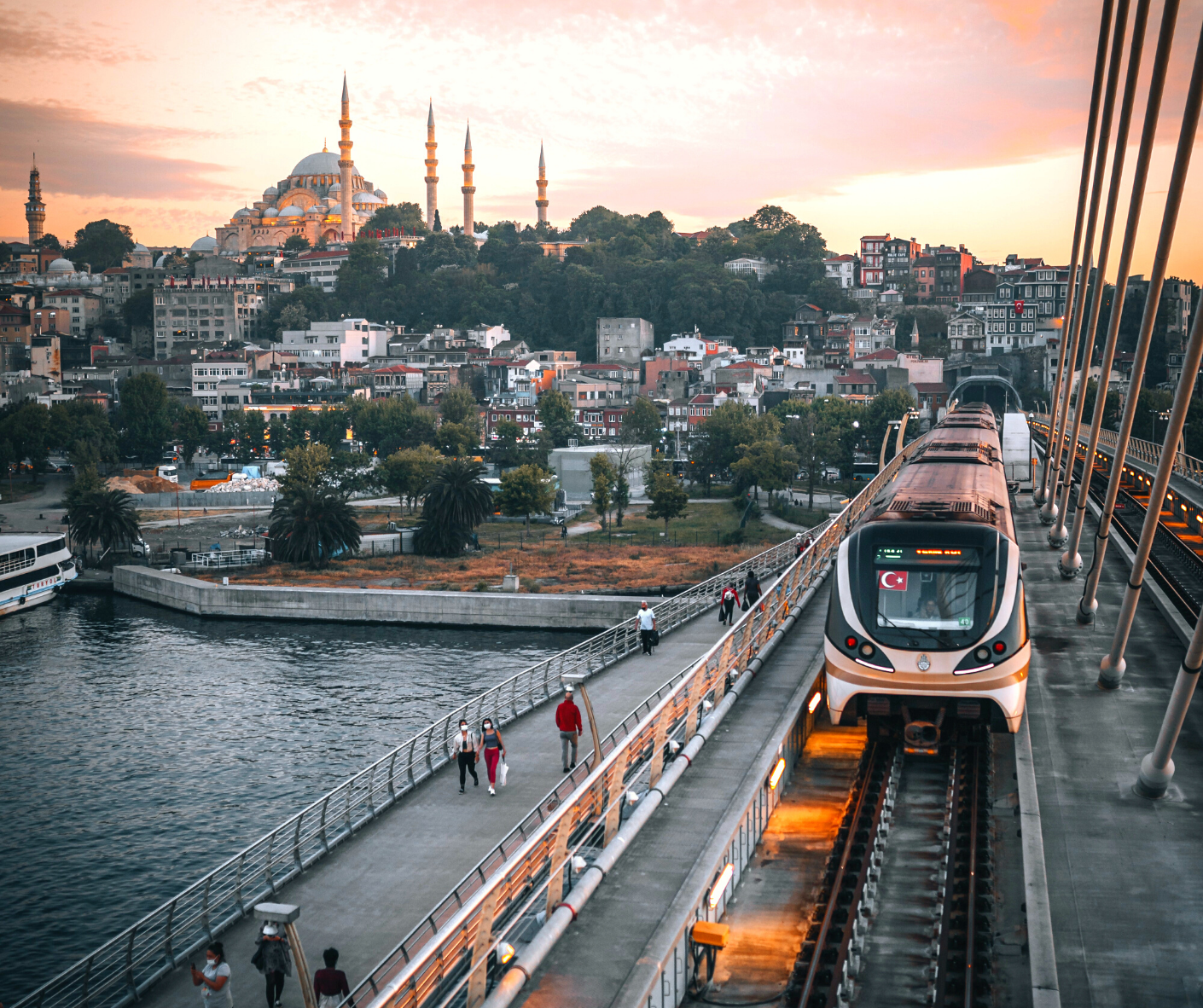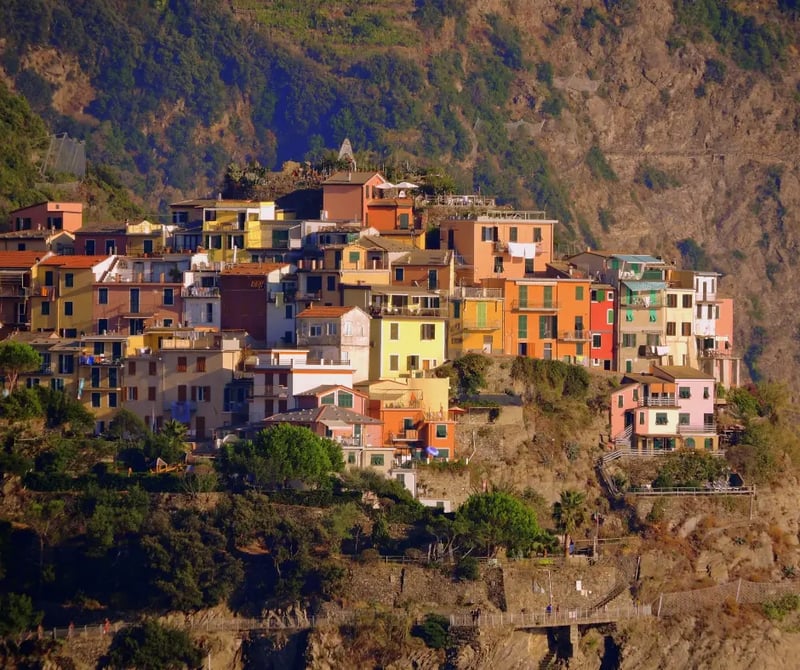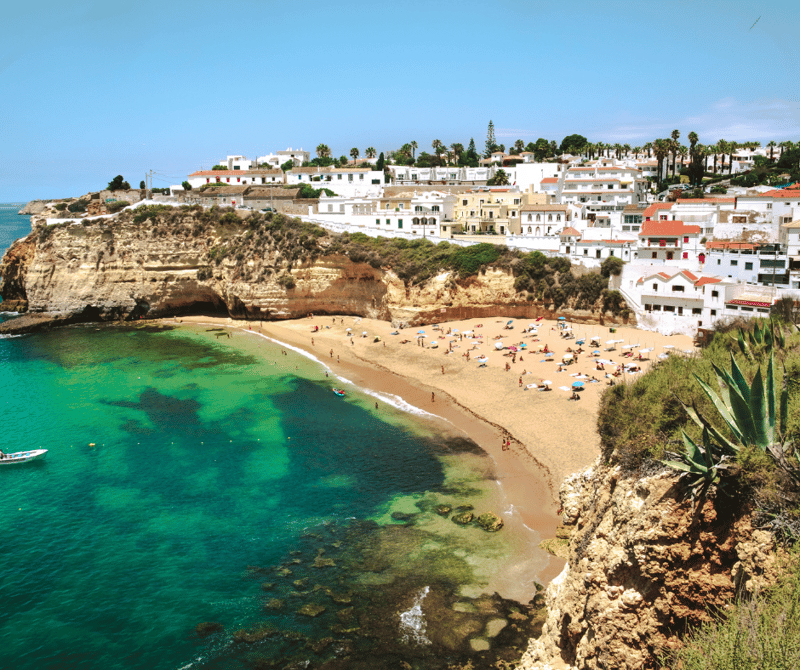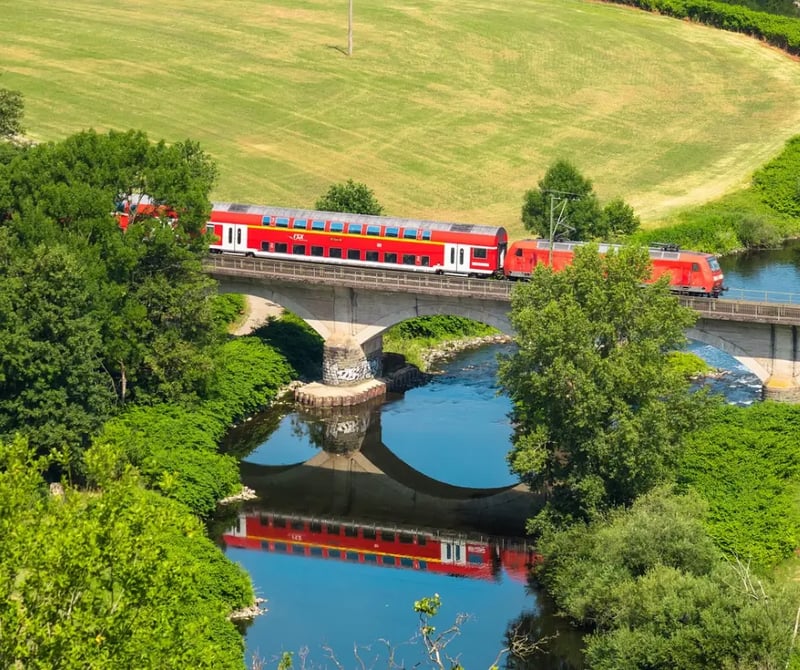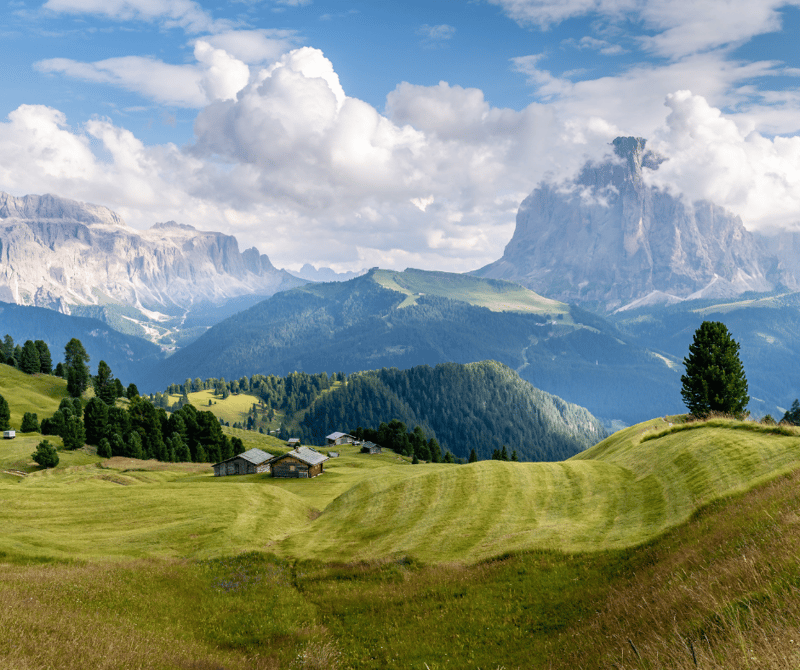


This route connects three European capitals and ends on the Adriatic coast. From Prague in Czechia you travel to Vienna in Austria, two cities full of grand architecture, culture, good food and international communities. Ljubljana, the small and green capital of Slovenia, is still off the beaten track for most nomads. From there, the train takes you via Zagreb to Split in Croatia, with beaches, islands, festivals and an active nomad community.
The northern half runs on fast, comfortable trains. The last leg to Split is slow and scenic, with one direct train a day from Zagreb. Here is how each leg works in 2026, what it costs, and where to work along the way.
🌱 Travel health insurance for Europe
Summary
🎯 The route at a glance
| 🚆 Route | Prague, Vienna, Ljubljana, Split (via Zagreb) |
| ⏱ Travel time | About 20 to 21 hours of trains in total |
| 🎟 Tickets | From around €65 for all legs when booked early |
| 📲 Where to book | ČD or RegioJet to Vienna, ÖBB to Ljubljana, Slovenian and Croatian railways for the last legs |
| 🎫 Interrail | Valid on every leg |
| 🇪🇺 Borders | All four countries are in the EU and Schengen, and all use the euro except Czechia |
| 🌤 Best months | April to June and September to October |
| 💶 Monthly budget | From about €1,250 in Split off-season to €2,700 in Vienna |
🚆 How the route works
The first two legs are easy. Direct railjet and RegioJet trains link Prague and Vienna in about 4 hours, with fares from about €15 when booked early. From Vienna, trains cross the UNESCO-listed Semmering railway and continue via Graz and Maribor to Ljubljana, either direct or with a change in Graz, in 5.5 to 6.5 hours.
There is no direct train from Ljubljana to Split. You change in Zagreb: about 2.5 hours from Ljubljana, then the single direct daytime train to Split, which takes about 8 hours through the mountains of Lika and Dalmatia. In summer, a night train also runs to Split. You can do Ljubljana to Split in one long day, or break the journey with a night in Zagreb. Buses are faster on the last leg, at about 7 to 8 hours from Ljubljana.
Booking tips: book Prague to Vienna and Vienna to Ljubljana early on ČD, RegioJet or ÖBB for the cheapest fares. Slovenian and Croatian train fares are low and fixed, but book the Zagreb to Split train a few days ahead in summer.
🗺 The route leg by leg
| Leg | How | Time | Price |
|---|---|---|---|
| Prague → Vienna | Direct railjet or RegioJet | About 4h | From about €15 booked early |
| Vienna → Ljubljana | Direct EuroCity, or change in Graz | 5.5–6.5h | From about €25 |
| Ljubljana → Zagreb | Regional or EuroCity | About 2.5h | From about €9 |
| Zagreb → Split | Direct daytime train (night train in summer) | About 8h | About €15 |
| Whole route | Four trains | About 20–21h | From about €65 |
Here is what to know about each stop.
Prague
- In a nutshell: Classical music, fairy-tale castles and one of Europe's most beautiful capitals. Prague is worth visiting not only in summer but also in autumn and winter, and it is well connected by train and plane.
- Arriving: From Václav Havel Airport, 12 km outside the city, the Airport Express bus runs to the main station, or take a city bus to the metro on a regular 90-minute ticket (50 CZK, about €2). If you prefer a fixed pickup, book a Welcome Pickup.
- How to get around: Metro, trams and buses share one ticket system, with a monthly pass at 550 CZK. Taxis take cards, and Liftago, Uber and Bolt all operate.
- Where to stay: Karlín and Smíchov. Try Flatio or the local Facebook group. Expect €1,100 to €1,500 a month for a furnished one-bedroom on a short stay, more in summer.
- Where to work: WorkLounge Karlín, Praga Studios by Scott.Weber and Vnitroblock in Karlín and Holešovice, or WorkLounge Smíchov.
- Laptop-friendly cafés: In Karlín, Můj šálek kávy and Loft Café. Elsewhere, The Miners, Kafe Atrium and Café Neustadt.
- Where to find community: Prague has the biggest nomad scene on the route. Check meetup.com, Eventbrite and the local Facebook groups.
- Train to Vienna: Direct railjet and RegioJet trains reach Wien Hauptbahnhof in about 4 hours, from about €15 when booked early, with Wi-Fi, power sockets and a bistro on board.
 Sarah Kuhlemann
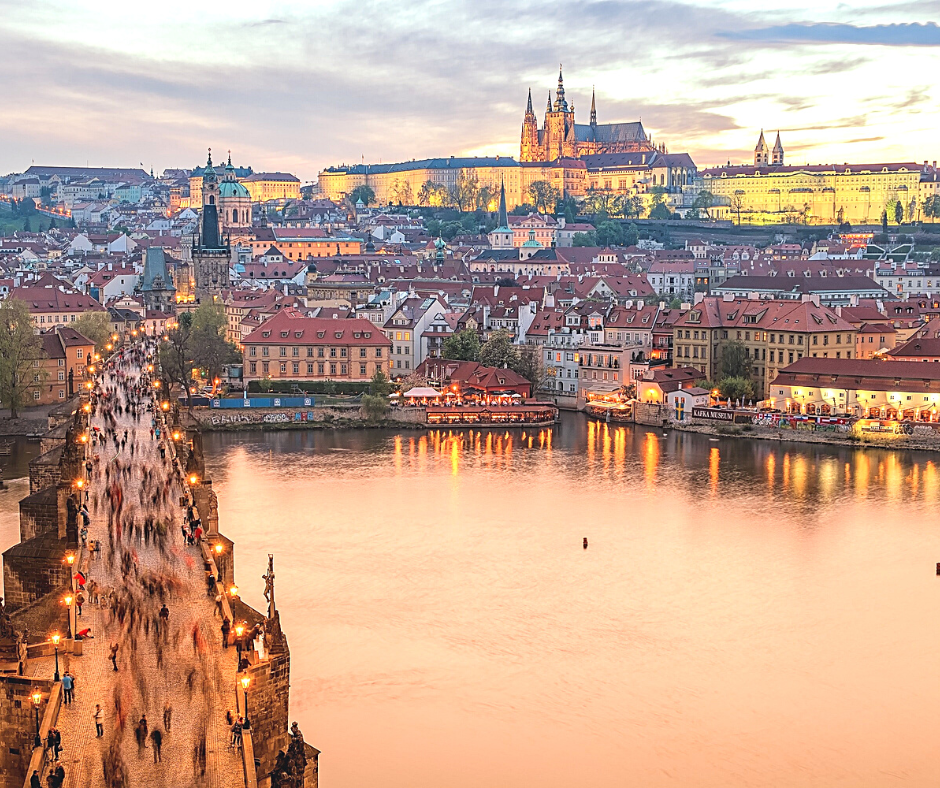
Vienna
- In a nutshell: Austria's capital links Central and Eastern Europe, and the heritage of Mozart, Klimt, Hundertwasser and Freud is everywhere. It regularly ranks among the world's most livable cities, with excellent public transport, coffee houses made for long stays, and plenty of green space.
- How to get around: U-Bahn, trams and buses run on reliable schedules, and the monthly pass is good value. Uber, Bolt and city bikes are available too.
- Where to stay: Wieden and Margareten are close to the main station. For tighter budgets, try Leopoldstadt, Favoriten or Ottakring.
- Where to work: Stockwerk in the 15th district, Das Kommod in Mariahilf, Loffice, or The Collaboratory in Neubau.
- Laptop-friendly cafés: Vienna's coffee houses are built for lingering. There are 50+ work-friendly places on laptopfriendly.co.
- Where to find community: Look for Internationals in Vienna and other groups on meetup.com, and see which events are on during your stay.
- Train to Ljubljana: From Wien Hauptbahnhof, trains reach Ljubljana in 5.5 to 6.5 hours, direct or with a change in Graz, from about €25. If you have time, stop in Maribor, Slovenia's second city, for a week or two. Our Slovenia guide has more about Maribor.
Sarah Kuhlemann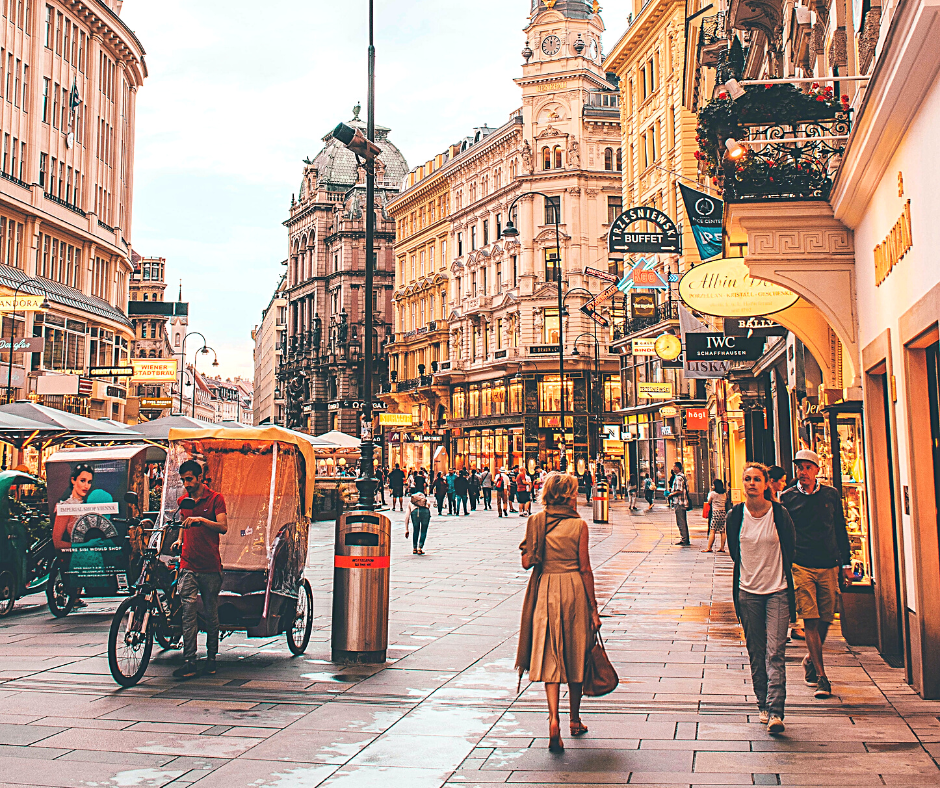
Ljubljana
- In a nutshell: Often overlooked, Slovenia is safe, green and beautiful, and Ljubljana is a compact, car-free old town on a river, with the Alps and the coast within easy reach. It is a good base for outdoor lovers who also want a lively café culture. For a longer stop, the Ljubljana digital nomad guide covers neighborhoods, coworking and monthly costs.
- How to get around: The center is walkable and bike-friendly. City buses run on the Urbana card, and metered taxis wait at the station.
- Where to stay: The Old Town, Rožna Dolina near Tivoli Park, or Dravlje, where you find the Kiviju coliving house.
- Where to work: MP Coworking or ABC Hub, open around the clock.
- Laptop-friendly cafés: Moderna, a spacious café under the Museum of Modern Art, STOW in the City Museum (closed Mondays), Kavarna NUK at the national library, and Pritličje.
- Where to find community: Ljubljana has Slovenia's biggest nomad community. Check meetup.com for upcoming events, from tech meetups to art workshops and expat evenings.
- Train to Split: Take the train to Zagreb (about 2.5 hours, from about €9) and change to the direct daytime train to Split (about 8 hours, about €15). The whole trip takes about 10.5 hours, so leave Ljubljana by late morning or stay a night in Zagreb.
Sarah Kuhlemann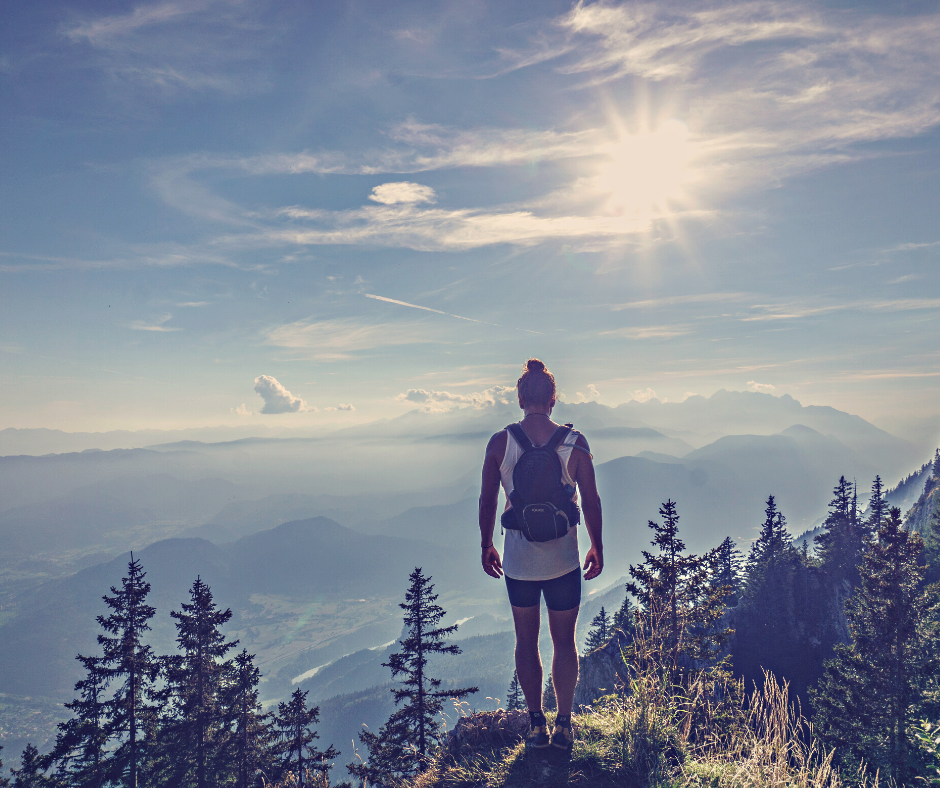
Split
- In a nutshell: Croatia's second city grew around Diocletian's Palace on the Adriatic, and it attracts summer tourists, cruise ships and a steady community of digital nomads. In winter it gets quiet and much cheaper.
- How to get around: From the train station, the Old Town is about 700 meters away, Radunica about 650 meters and Meje about 1.7 km. The center is walkable, and city buses cover the rest.
- Where to stay: The Old Town, Radunica and Meje are all within walking distance of the station and the promenade. Radunica's narrow streets are now mostly short-term rentals, and Meje is the greener, more relaxed option. Avoid Bačvice if you want to escape the nightlife.
- Where to work: The Works, open 24 hours with meeting rooms and a small gym, or Saltwater Nomads, a boutique workspace on the waterfront next to the palace.
- Laptop-friendly cafés: D16 Coffee, which has a quiet work room across the street, and kava² with a shaded garden.
- Where to find community: The coworking spaces host talks and events, and meetup.com and Facebook groups list nomad meetups.
- Onward travel: From Split, ferries run to the islands and, in summer, to Italy, and flights connect to cities across Europe.
Sarah Kuhlemann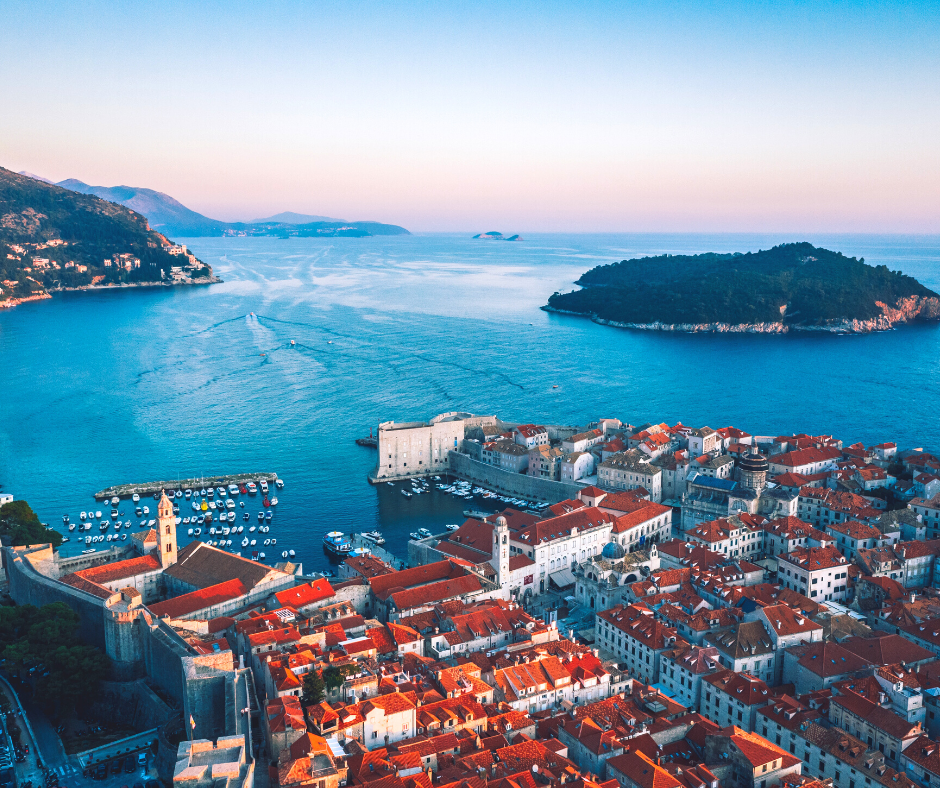
💶 How much does the route cost?
| Per month | Split (off-season) | Ljubljana | Prague | Vienna |
|---|---|---|---|---|
| Furnished 1BR, short stay | €700–1,100 | €900–1,300 | €1,100–1,500 | €1,300–1,800 |
| Coworking | €120–200 | €100–200 | €100–220 | €150–250 |
| Food | €400–500 | €400–500 | €450–550 | €450–600 |
| Transport | €20–40 | €20–40 | About €22 | About €50 |
| Realistic total | €1,250–1,850 | €1,400–2,050 | €1,700–2,300 | €1,950–2,700 |
Vienna and Prague are the expensive stops, and rent is where the money goes: furnished short stays cost more than the long-term averages you see online. Ljubljana is a little cheaper. Split swings the most with the season: the off-season figures above can double in July and August, when cruise ships and holidaymakers fill the town, and drop again from November to March. A restaurant meal costs €15 to €25, street food €5 to €10. The train tickets are a small part of the budget, from around €65 for the whole route.
🌤️ When to go
April to October has the best weather, and spring and early autumn have the best balance of weather, crowds and prices. July is the hottest month, from about 24°C in Prague to over 30°C in Split, and many apartments have no AC, so check before you book. In winter, Prague, Vienna and Ljubljana have central heating, but check that your Split apartment is heated. July and August are peak season everywhere, and Split also gets daily cruise ship crowds, so check the cruise schedule. November to February brings the best deals, especially on accommodation.
🧳 Who this route is for
This itinerary is for slow-traveling nomads with the heart of a traveler and a healthy budget, as Prague and Vienna are expensive, but wonderful, cities. Ljubljana is still off most nomads' radar, and the trip ends on the coast in Split. It is for you if you can check the following points:
- Light luggage, carry-on luggage.
- Flexible working hours/days.
- You enjoy changing scenery overland, including one long scenic train day to the coast.
- Tolerance for delays, ad-hoc changes of travel plans, and waiting time.
- You don't mind walking from the station to your accommodation, although taxis are available everywhere on the route.
❓ Frequently asked questions
How long is the train from Prague to Vienna?
About 4 hours on a direct railjet or RegioJet train, from about €15 when booked early.
Is there a direct train from Vienna to Ljubljana?
Yes, there are direct EuroCity trains, and other connections change in Graz. The journey takes 5.5 to 6.5 hours, from about €25.
Can you take a train from Ljubljana to Split?
Yes, with a change in Zagreb. Ljubljana to Zagreb takes about 2.5 hours, and the direct daytime train from Zagreb to Split about 8 hours. In summer there is also a night train.
How much does the train route from Prague to Split cost?
From around €65 for all four legs when booked early. Living costs range from about €1,250 a month in Split off-season to €2,700 in Vienna.
Can I use Interrail on this route?
Yes, on every leg. All four countries are part of the Interrail and Eurail network.
When is the best time to travel from Prague to Split?
Spring (April to June) and early autumn (September to October), when the weather is good and Split is not yet, or no longer, crowded.
🎯 Conclusion
Prague to Split is a classic slow-travel route: two of Europe's grandest capitals, the underrated green city of Ljubljana, and a long, scenic train ride down to the Adriatic. Book the first legs early, plan the Zagreb change for the last one, and time Split for spring or autumn to enjoy the coast without the summer crowds.
Sarah Kuhlemann Sarah Kuhlemann
 Sarah Kuhlemann