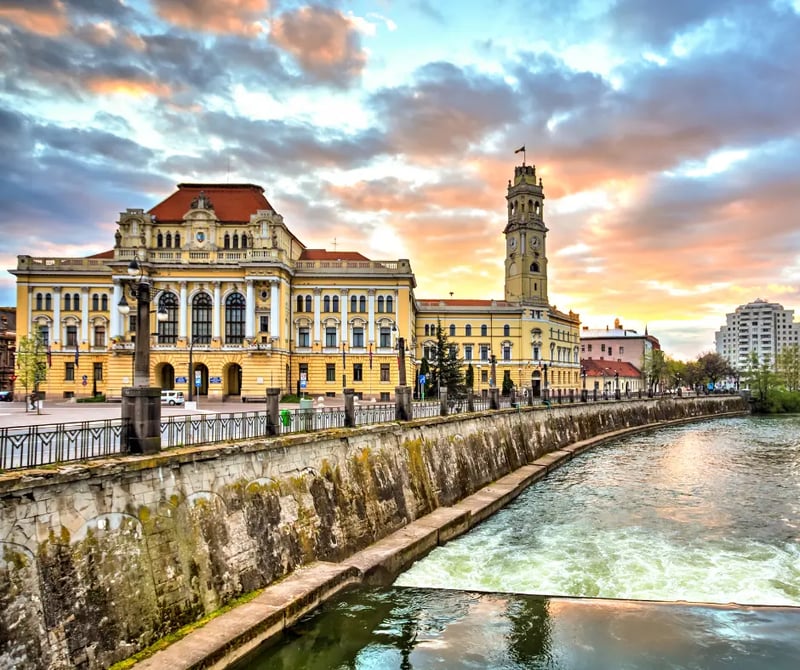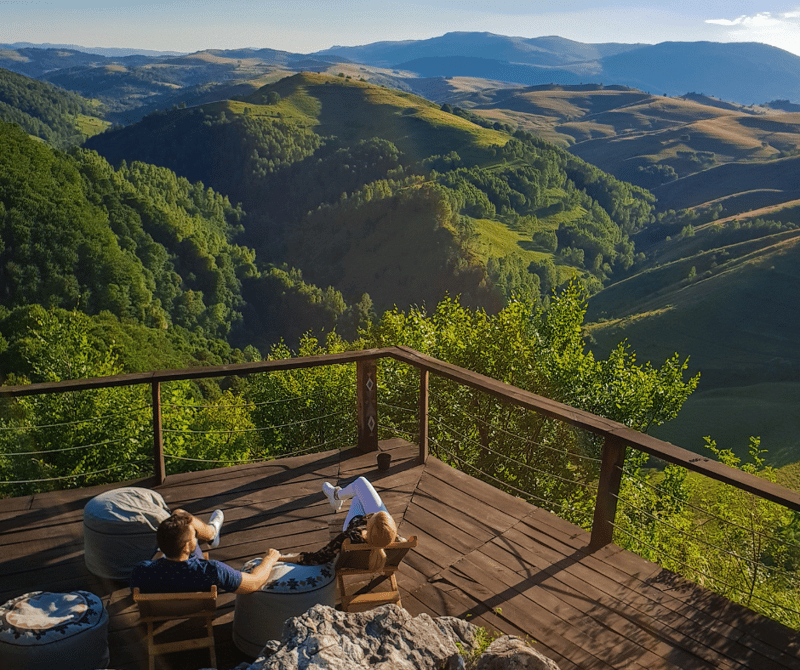

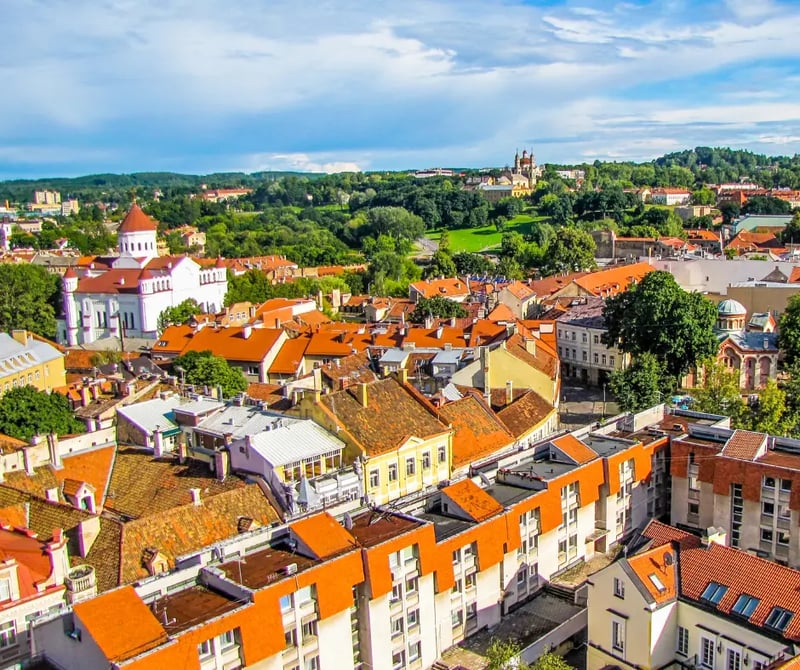
Lithuania is one of Europe's quiet nomad bargains, and one of its best-kept secrets. The largest of the three Baltic states has a genuinely beautiful capital in Vilnius, one of the biggest and best-preserved old towns in Europe, some of the fastest and cheapest internet on the continent, a serious tech and fintech scene, and a cost of living well below Western Europe. It is safe, walkable, green, and refreshingly uncrowded.
One caveat: Lithuania does not have a digital nomad visa. For EU, EEA and Swiss citizens that does not matter, they can simply move there. For everyone else, the picture is more complicated than many websites admit, and some quote an income figure for a "nomad visa" that doesn't officially exist. We will untangle that below.
If you are an EU citizen, or a non-EU founder willing to start a business, Lithuania is a superb and underrated base. This guide covers the real visa situation, where to stay, what it costs, and how to make the most of the Baltic's most tech-forward country, for 2026.
🌱 Travel health insurance for Lithuania
Summary
- 🌱 Travel health insurance for Lithuania
- 🎯 Lithuania at a glance
- 🇱🇹 Entry requirements for Lithuania
- 💻 Does Lithuania have a digital nomad visa?
- ✈️ How to get to Lithuania
- 🗺 Where to base yourself
- 💶 How much does it cost?
- 🧑🏻💻 Where to work from
- 👥 Finding the community
- 🛜 Internet and SIM cards
- 🌤 When to come
- 🚌 Getting around
- 🚧 Safety and health
- 🎖 Must see
- ❓ Frequently asked questions
- 🎯 Conclusion
🎯 Lithuania at a glance
| 🛂 Visa | EU/EEA/Swiss: free movement. Others: 90 days visa-free in Schengen |
| 💻 Nomad visa | None. Non-EU options are the Startup Visa or an employer route |
| 💶 Monthly budget | €1,000 in Kaunas to €1,900 in Vilnius |
| 🌤 Best time | Summer (June–August). Winter is cold, dark and cheap |
| 🏙 Top areas | Vilnius, Kaunas, the coast (Klaipėda, Nida) in summer |
| 🛜 Internet | Among the fastest and cheapest on earth: gigabit fiber widespread |
| 🗣 Language | Lithuanian. English widely spoken by younger people and in tech |
| 🧾 Tax | Resident over 183 days: worldwide income, progressive up to ~32% |
| 💱 Currency | Euro (€) |
🇱🇹 Entry requirements for Lithuania
- EU/EEA/Swiss citizens: full free movement. Live and work with no restrictions; register locally (an EU Registration Certificate, 5-year validity, about €10) if you stay beyond three months.
- Visa-free entry (non-EU): US, UK, Canada, Australia, New Zealand and many other nationals enter the Schengen Area, including Lithuania, visa-free for up to 90 days in any 180-day period.
- Longer non-EU stays: require a national visa or residence permit, and there is no remote-work category. See the next section.
- Health insurance: travel cover meeting the Schengen €30,000 emergency-medical minimum is required.
- Passport validity: valid for at least three months beyond your intended departure.
💻 Does Lithuania have a digital nomad visa?
No, and it is worth being precise because several websites imply otherwise. Lithuania has no dedicated digital nomad visa in 2026. What that means depends entirely on your passport.
If you are an EU, EEA, or Swiss citizen, none of this matters. You have free movement: come, work remotely, and register locally if you stay past 90 days. Lithuania is one of the cheapest EU countries to base yourself in, which is the real story for European nomads.
If you are a non-EU citizen, there is no clean "keep my foreign employer or clients" route, and this is the honest part many guides skip. The realistic options are:
- The Startup Visa: the cleanest path, but only if you are genuinely founding a business in an innovative field. It gives two years initially, renewable for three more, with a path to permanent residence at five years and citizenship at ten. Genuinely good for founders; not a fit for someone keeping a foreign job.
- A work permit / National D visa for employment: requires a Lithuanian employer.
- Family reunification: if you have an EU or Lithuanian partner.
- The National Visa (D) "other cases": a residual catch-all category. Some consultancies market this as a "Lithuania digital nomad visa" with a €5,460/month income requirement (2.5 times the average Lithuanian wage). Be careful here: as immigration specialists have pointed out, that €5,460 figure is an extrapolation of the residual D-visa threshold, not an official digital-nomad-visa income bar, because no such visa officially exists. If you go this route, verify the current requirements directly with Lithuania's Migration Department (MIGRIS) rather than a relocation agency's marketing page.
Tax note: residents (staying more than 183 days) are taxed on worldwide income, with Lithuania's progressive personal income tax reaching up to around 32% under the 2026 rules. Under 183 days, only Lithuanian-source income is taxed.
Bottom line: superb and cheap for EU citizens, a real Startup Visa for founders, and an honest "this is harder than it looks" for everyone else. For a short stay, the 90-day Schengen entry covers you regardless.
✈️ How to get to Lithuania
- Vilnius (VNO) is the main airport, connected to around 50 cities across Europe and beyond. A taxi to the Old Town is about €14, or take an Uber, Bolt, or bus (1, 2, 88, or the 3G express).
- Kaunas (KUN) is a Ryanair budget hub with cheap connections across Europe.
- Palanga (PLQ) on the Baltic coast serves the seaside and Klaipėda.
- Overland: trains connect to Poland and Latvia (note the break of gauge at the Polish border), and buses reach Riga in about 4 hours, Warsaw or Tallinn in about 8. Ferries run from Germany, Denmark and Sweden to Klaipėda.
🗺 Where to base yourself
Vilnius is where nearly all of Lithuania's nomad life happens, and it is a genuinely lovely base: one of Europe's largest old towns, walkable, green, tech-forward and cheap by EU standards. Šnipiškės, on the north bank of the Neris, is the modern "New City Center," the financial and business district, glassy and well-connected, and an easy first base. Užupis is the bohemian, self-declared "republic" of artists within the Old Town, a UNESCO-listed, cafe-dense, creative quarter that is the most characterful place to stay. The Old Town (Senamiestis) itself is the Gothic-to-Baroque historic heart, walkable and atmospheric, if pricier and busier.
Kaunas is the underrated second option: Lithuania's second city, a UNESCO City of Design and 2022 European Capital of Culture, with grand interwar modernist architecture, a lively student and creative scene, and prices below Vilnius. An hour from the capital by train, it is a real alternative base rather than just a day trip, and worth considering if you want a smaller, cheaper, more local city.
Klaipėda and the coast are the summer option: Klaipėda is the Baltic port city with a German-influenced timber old town, and the gateway to Nida and the Curonian Spit, a 98km sand-dune peninsula shared with Russia's Kaliningrad and one of the most beautiful stretches of the Baltic. Not a year-round base (it is a summer resort area), but a spectacular place to spend warm-season weeks, four hours from Vilnius by train.
💶 How much does it cost?
| Per month | Kaunas | Vilnius |
|---|---|---|
| Room or 1BR | €450–700 | €600–1,000 |
| Coworking | €100–160 | €120–200 |
| Food | €250–380 | €300–450 |
| Transport | €30–50 | €30–50 |
| Realistic total | €1,000–1,500 | €1,200–1,900 |
Lithuania is one of the most affordable countries in the EU, noticeably cheaper than Western Europe while offering the same safety, infrastructure and EU conveniences. Vilnius city-center rent runs about €1,000 in the summer peak and drops a few hundred euros in autumn and winter, so timing matters. Kaunas is cheaper across the board. A restaurant lunch is €8 to €12, coffee €2 to €3, and public transport is cheap and excellent. For an EU citizen earning a Western income, Lithuania stretches a long way.
🧑🏻💻 Where to work from
Vilnius
Coworking:
- Workland runs several premium locations across the city: Quadrum in the Šnipiškės financial district (longer stays, one-month minimum), G9 on the top floor of a premium Old Town mall, and Didžioji next to the City Hall with hot-desk memberships. The reliable, professional chain.
- Vilnius also has a strong startup-hub scene (the tech and fintech sector is large), so ask in the local groups for the current community-focused spaces.
Cafes:
- Taste Map Coffee Roasters: for serious coffee lovers, excellent roasts, stable wifi, good menu.
- Chaika Café No. 2: cozy, vegan menu, near the Old Town, attracts an interesting crowd.
- Mint Vinetu: a bookstore-antique-shop-cafe hybrid, characterful for a few hours' work.
- Coffee1 in Užupis: small and cozy, come early for a seat.
Kaunas
Kaunas has a growing coworking and cafe scene tied to its student and design community, smaller than Vilnius but real and cheaper. Choose accommodation with good fiber (easy in Lithuania) and use the cafes and coworking around Laisvės Alėja, the main pedestrian avenue.
👥 Finding the community
Lithuania's nomad community is small but real, and almost entirely in Vilnius. It is not a big established scene like Lisbon or Tallinn's e-Residency crowd, but the city's serious tech and fintech sector means there is a genuine international professional community to plug into, and the coworking spaces are the way in.
Meetup.com is surprisingly active in Vilnius, with everything from fintech and startup events to language exchanges, chess, jazz dance and coffee socials. The Expats in Lithuania Facebook group is the main online hub, and the coworking spaces run their own events. Kaunas has a smaller student-and-design-flavored scene. Learning a few words of Lithuanian is appreciated, though English is widely spoken by younger people and in the tech world. For the general how-to, see our guide to making friends as a nomad.
 Sarah Kuhlemann
 Sarah Kuhlemann
🛜 Internet and SIM cards
This is one of Lithuania's genuine advantages: it has some of the fastest and cheapest internet in the world. Fixed broadband runs a median of around 85 to 130 Mbps, gigabit fiber is widely available and cheap, and Vilnius consistently ranks among the best-connected capitals in Europe. Coworking spaces and apartments are reliably fast. Public wifi is widespread and good.
Telia, Tele2 and Bitė are the three operators; Telia and Tele2 have the best nationwide coverage. A prepaid SIM with generous data costs very little, and as an EU market, EU roaming applies if you already have an EU SIM. eSIMs are widely supported.
🌤 When to come
| J | F | M | A | M | J | J | A | S | O | N | D | |
|---|---|---|---|---|---|---|---|---|---|---|---|---|
| Vilnius & inland | ❄️ | ❄️ | ❄️ | ⛅ | ☀️ | ☀️ | ☀️ | ☀️ | ⛅ | 🌧 | 🌧 | ❄️ |
| Coast (Klaipėda, Nida) | ❄️ | ❄️ | ❄️ | ⛅ | ⛅ | ☀️ | ☀️ | ☀️ | ⛅ | 🌧 | 🌧 | ❄️ |
☀️ best · ⛅ mixed · 🌧 wet · ❄️ cold & dark
Lithuania has real seasons, and they matter here more than in southern Europe. Summer (June to August) is the clear best time: warm, long days (near-midnight sunsets in June), festivals, and the coast at its finest. This is when to come. Late spring and early autumn (May, September) are pleasant and quieter. Winter (November to March) is cold, grey and dark, with very short days, genuinely tough if you are sensitive to a lack of light, though Vilnius is cozy, cheap and atmospheric under snow, and it is the cheapest time for rent. Plan a first visit for the warm half of the year.
🚌 Getting around
- Vilnius public transport: an excellent, cheap bus and trolleybus network. Download the Trafi app to plan routes and buy tickets. A single 30-minute ride is €0.65; a 10-day e-ticket is €15.
- Uber and Bolt: both operate in Vilnius and are cheap and easy. Bolt (a Baltic company) is especially widespread.
- Cycling: Vilnius is flat, safe and increasingly bike-friendly, with expanding lanes and bike-share.
- Trains between cities: a decent network. Vilnius to Kaunas is 1 hour (€6 to €10), Vilnius to Trakai 30 minutes (€2 to €6), Vilnius to Klaipėda on the coast 4 hours (€22 to €35). Book online.
- Buses: reach more destinations than the trains and are cheap; schedules and tickets online.
- Car rental: easy with the international chains (Europcar, Avis, Sixt); drive on the right. Only needed for the countryside and the coast.
🚧 Safety and health
- General safety: Lithuania is a very safe country with low violent crime. Vilnius is safe to walk day and night, and the usual big-city petty-theft caution in crowded or nightlife areas is all that is really needed.
- A geopolitical note: Lithuania borders Belarus and the Russian exclave of Kaliningrad, and regional tensions since 2022 are real. Day-to-day life is completely normal and unaffected, and the country is a stable EU and NATO member, but it is worth being aware of the wider context and keeping an eye on travel advisories, as you would anywhere.
- Tap water: safe and good to drink everywhere.
- Winter darkness: the genuine health consideration. Short, dark winter days affect some people significantly (seasonal low mood), so if you are sensitive to light, favor the summer half of the year or plan accordingly.
- Healthcare: good, with modern facilities in Vilnius and Kaunas. EU citizens use the EHIC/GHIC card; everyone should carry insurance. Pharmacies (vaistinė) are widespread.
- Emergency number: 112 (EU-wide).
Staying active
- Cycling and walking: Vilnius's parks and the Neris riverside, and the flat countryside beyond.
- The coast: swimming, windsurfing and long beach walks on the Curonian Spit in summer.
- Nature: Lithuania is largely forest and lake; Trakai, Aukštaitija National Park and the Labanoras forest are within easy reach for hiking, kayaking and swimming.
- Saunas: the Baltic sauna culture is real and excellent, especially welcome in winter.
🎖 Must see
- Vilnius Old Town: one of the largest and best-preserved in Europe, with the Cathedral, Gediminas' Tower, the Gates of Dawn and the Palace of the Grand Dukes.
- Užupis: the tongue-in-cheek artists' "republic" with its own constitution, within the Old Town.
- Trakai Island Castle: the fairy-tale 15th-century castle on a lake, 30 minutes from Vilnius and the country's most photographed sight.
- The Curonian Spit and Nida: UNESCO-listed sand dunes and a charming coastal town, the natural highlight of the country.
- Kaunas: interwar modernist architecture, a UNESCO City of Design, and a lively cultural scene.
- The Hill of Crosses: hundreds of thousands of crosses on a hill near Šiauliai, one of Lithuania's most striking and moving sites.
❓ Frequently asked questions
Does Lithuania have a digital nomad visa?
No. EU/EEA/Swiss citizens can live and work there freely. Non-EU citizens have no dedicated remote-work route; the realistic options are the Startup Visa (for founders), an employer-sponsored work visa, or family reunification. Some sites market the residual "National Visa D other cases" (about €5,460/month) as a nomad visa, but that is not an official DNV, so verify directly with Lithuania's Migration Department (MIGRIS).
Which city is best for digital nomads in Lithuania?
Vilnius, by a wide margin, for the community, the tech scene, the coworking and the old town. Kaunas is a cheaper, smaller, design-focused second option. The coast (Klaipėda, Nida) is a summer base rather than year-round.
How much does it cost to live in Lithuania?
Around €1,200 to €1,900 a month in Vilnius, and €1,000 to €1,500 in Kaunas, comfortably. It is one of the most affordable countries in the EU.
Is the internet good enough to work?
Yes, some of the fastest and cheapest in the world. Gigabit fiber is widespread and cheap, and Vilnius is among Europe's best-connected capitals.
When is the best time to visit?
Summer (June to August) for warmth, long days and the coast. Winter is cold, dark and cheap, and hard going if you are sensitive to a lack of light.
Is Lithuania safe?
Very. Low crime and a safe, walkable capital. It borders Belarus and Kaliningrad and regional tensions exist, but day-to-day life is entirely normal and it is a stable EU and NATO member.
🎯 Conclusion
Lithuania is one of Europe's genuine nomad bargains: a beautiful, safe, tech-forward country with gigabit internet, a fairy-tale capital and costs well below Western Europe. For EU citizens it is close to a no-brainer for a cheap, high-quality European base, and for non-EU founders the Startup Visa is a real and generous route.
The honest catch is that there is no digital nomad visa, and non-EU remote workers keeping a foreign job will find Lithuania harder to settle in long-term than the marketing suggests. Come in summer for your first visit, base yourself in Vilnius, and, if the visa route works for you, enjoy one of the most underrated countries in Europe.
Sarah Kuhlemann Sarah Kuhlemann
 Sarah Kuhlemann
 Sarah Kuhlemann