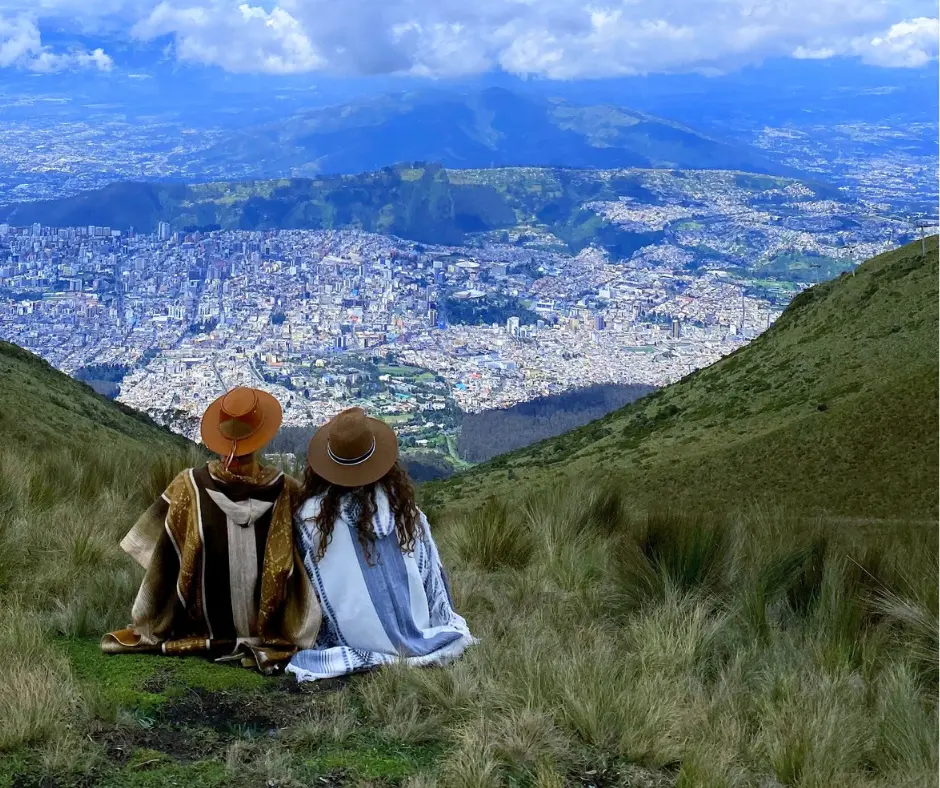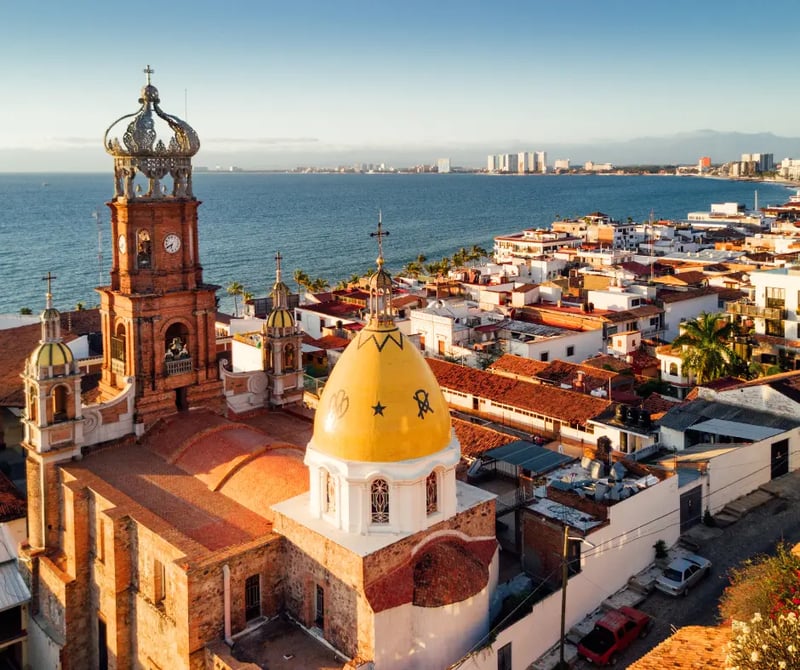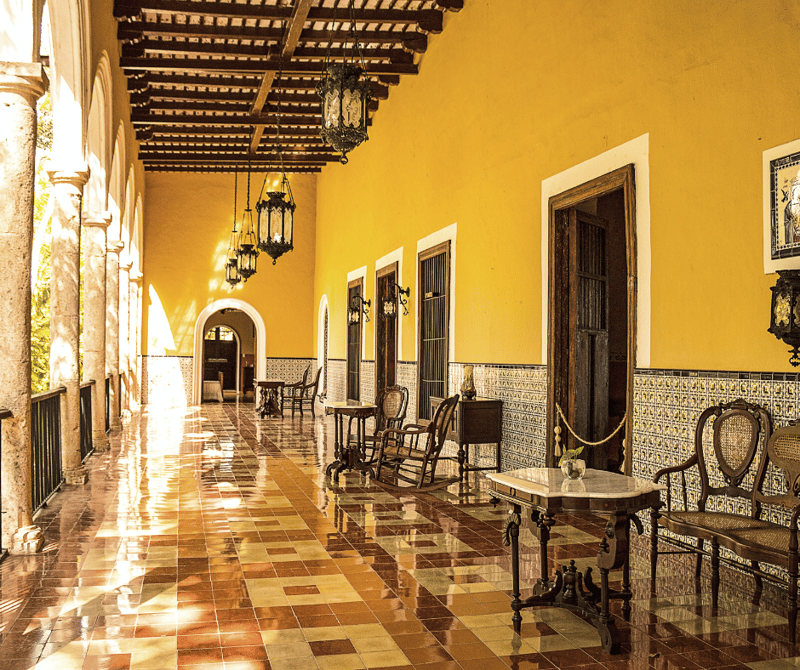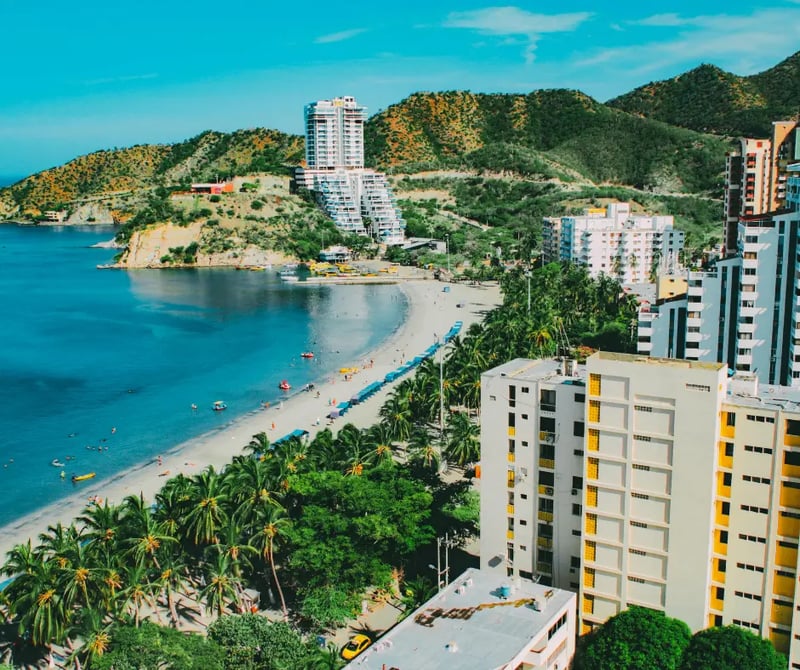

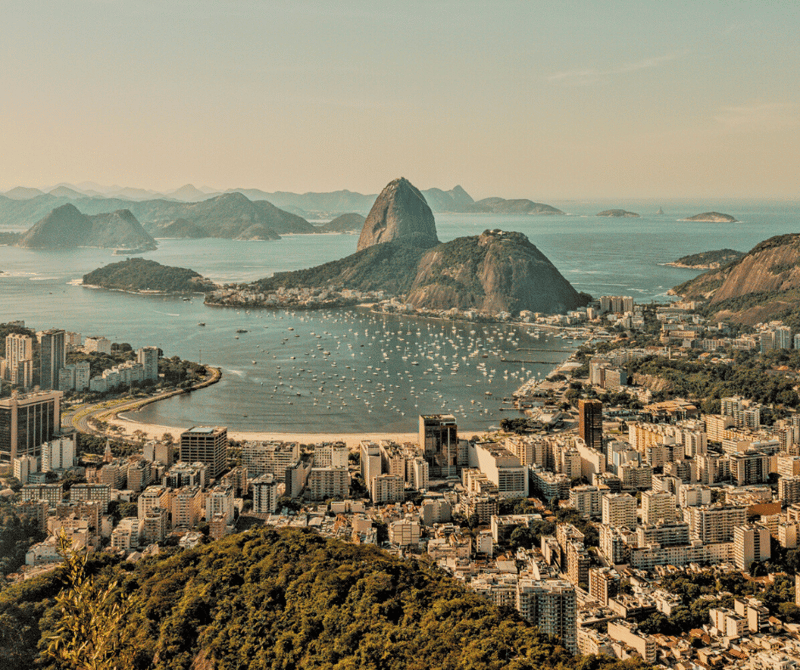
The wonders of Brazil mesmerize travelers from all around the world. The colourful Rio Carnival, a hike to Christ the Redeemer, and the vibrant art and architecture of São Paulo are among the highlights. For those with more time, Amazon river cruises are available, and the Iguaçu waterfalls are among the most spectacular on the planet.
For remote workers there is a more practical draw. Brazil has had a dedicated digital nomad visa since January 2022, and at $1,500 a month it has one of the lowest income requirements of any program in the world. Meanwhile, Florianópolis has quietly built one of the best remote-work scenes in South America, and almost nobody outside Brazil talks about it.
One thing to plan around before you start: the visa runs for a year, and Brazil taxes worldwide income once you pass 184 days. Almost everyone who uses it fully will cross that line. More on that below.
🌱 Travel health insurance for Brazil
Summary
- 🌱 Travel health insurance for Brazil
- 🎯 Brazil at a glance
- 🛂 Entry requirements for Brazil
- 💻 Brazil's digital nomad visa (VITEM XIV)
- ✈️ How to get to Brazil
- 🗺 Where to base yourself
- 💶 How much does it cost?
- 🧑🏻💻 Where to work from
- 👥 Finding the community
- 🛜 Internet and SIM cards
- 🌤 When to come
- 🚌 Getting around
- 🚧 Safety and health
- 🎖 Must see
- ❓ Frequently asked questions
🎯 Brazil at a glance
| 🛂 Visa | 90 days visa-free for most nationalities, extendable to 180 |
| 💻 Nomad visa | VITEM XIV: $1,500/month or $18,000 savings, 1 year + 1 renewal |
| 💶 Monthly budget | €800 in Florianópolis to €1,500 in Rio or São Paulo |
| 🧾 Tax | Worldwide income taxable after 184 days, up to 27.5% |
| 🌤 Best time | April to June and September to November in the southeast |
| 🏙 Top areas | Florianópolis, Rio de Janeiro, São Paulo, the Northeast |
| 🛜 Internet | Fast and cheap in cities, fibre widespread |
| 🗣 Language | Portuguese. English is limited outside business districts |
| 💱 Currency | Brazilian real (R$) |
🛂 Entry requirements for Brazil
- Visa-free entry: most nationalities, including EU citizens, the UK, Canada and Australia, get 90 days on arrival. US, Canadian and Australian citizens now need an e-visa, so check before booking.
- Extensions: the Federal Police can extend a tourist stay to a total of 180 days in any 12-month period.
- Passport validity: at least six months beyond your arrival date.
- Onward ticket: airlines frequently ask for proof of onward travel.
- Yellow fever: not required for entry from most countries, but recommended if you are heading to the Amazon, the Pantanal or parts of the interior. Some onward countries will ask for the certificate if you have been in Brazil.
💻 Brazil's digital nomad visa (VITEM XIV)
Brazil created a dedicated remote work visa through Normative Resolution CNIg/MJSP No. 45, signed in September 2021 and in force since January 2022, under the framework of the Migration Law (Lei 13.445/2017). It is formally the VITEM XIV, the fourteenth subtype of Brazil's temporary visa category.
The financial test has two routes, and you only need to satisfy one:
- Income route: at least $1,500 a month from sources outside Brazil, or
- Savings route: at least $18,000 available in a bank account
That income bar is among the lowest of any nomad visa anywhere. For comparison, Spain asks €2,849 a month and Portugal €3,680.
How long: one year, renewable once for a further year. Two years is what the regulation provides. Brazilian immigration lawyers report that in practice some applicants have been granted a third year during 2026, but that is current practice rather than entitlement and could change.
What it does not allow: working for a Brazilian employer or taking Brazilian clients. The visa exists for work performed for foreign employers or clients.
Where to apply: at a Brazilian consulate abroad, or in some cases from inside Brazil through MigranteWeb, the Federal Police platform. Practice varies, so confirm with the consulate for your jurisdiction before assuming either route.
Health insurance: Brazilian consulates require proof of health insurance valid in Brazil as part of the VITEM XIV checklist, with $30,000 the coverage figure most commonly cited. Genki Traveler covers that comfortably, and its 12 month term matches the visa exactly. If you renew into a second year, you can switch to Genki Native, which runs without an end date. Native is a separate sign-up, available up to age 55 and subject to health questions.
Bringing family: dependants can be included, adding around $60 a month per person to the income requirement.
Fee: consular fees vary by nationality under Brazil's reciprocity rules, typically around $100.
The tax rule that catches people out
This is the part worth planning around.
Spend 184 days in Brazil within a 12-month period and you become a Brazilian tax resident, liable for income tax on worldwide income at progressive rates up to 27.5%.
The visa runs for a year. Anyone using it fully will pass that threshold. So unlike Spain's Beckham Law or Portugal's old NHR, Brazil's nomad visa carries no tax advantage at all, and holding it does not shield foreign income.
That does not make Brazil a bad choice. It makes it a choice to go into with your eyes open, and to discuss with an accountant before your 184th day rather than after.
 Sarah Kuhlemann
✈️ How to get to Brazil
- São Paulo Guarulhos (GRU) is the main international gateway, 26km from the center, with direct flights from across Europe, North America and Africa.
- Rio de Janeiro Galeão (GIG) is 25km north of the center and connects across South America, North America and Europe.
- Florianópolis (FLN) has a modern terminal with regional connections and some international routes via São Paulo and Buenos Aires.
- Recife (REC) and Salvador (SSA) serve the Northeast, and Recife has direct flights from Lisbon.
- Airport transfers: a taxi from GRU into São Paulo runs around €20 to €25, and from GIG into Rio around €10 to €15. Uber and 99 are both cheaper and widely used.
🗺 Where to base yourself
Florianópolis is the one most guides underrate. An island city in the south with 42 beaches, a large and genuinely international remote work community, the best internet in the country and a far lower cost of living than Rio. The Lagoa da Conceição district is where most nomads end up. Summer, December to February, brings Brazilian holidaymakers and prices rise sharply.
Rio de Janeiro needs no introduction. For living rather than visiting, Botafogo and Flamengo are the nomad districts: well connected, good value, lively, and close to the metro. Copacabana and Ipanema are the famous beachfronts and cost accordingly. Rio rewards knowing which streets to walk at night, and locals will tell you.
São Paulo is the business capital and the opposite of the beach clichés: enormous, grey, and with the best food, music and coworking in the country. Pinheiros and Vila Madalena are the districts to look at, both on the metro and both full of cafés, bars and studios.
Pipa in the northeast is the one to watch, and it is further along than most guides suggest. A small surf town in Rio Grande do Norte with dramatic red cliffs, dolphins in the bay, and a nomad scene that has quietly outgrown its size: for a town of around 10,000 people it has five coworking or coliving options. Rents are among the lowest in Brazil, the weather works from September to March, and the community is small enough that you meet everyone. The nearest airport is Natal, about 90 minutes north.
Salvador is the cultural heart of Afro-Brazilian Brazil, cheaper than the southeast and with weather that works most of the year. The Pelourinho colonial old town is a UNESCO site, and Carnival here is enormous.
💶 How much does it cost?
| Per month | Florianópolis | Rio de Janeiro | São Paulo | Northeast |
|---|---|---|---|---|
| Room or 1BR | €350–600 | €500–850 | €500–800 | €250–450 |
| Coworking | €80–150 | €100–200 | €120–250 | €60–120 |
| Food | €250–400 | €300–450 | €300–450 | €200–350 |
| Transport | €40–80 | €40–70 | €40–70 | €40–80 |
| Realistic total | €800–1,200 | €1,000–1,500 | €1,050–1,500 | €650–1,000 |
Everyday costs are low by European standards. A prato feito, the set lunch that most Brazilians eat, runs €3 to €6. A coffee is under €1.50. A caipirinha on the beach is €3 to €5. The swing factor is rent, and short-term listings in Rio and Florianópolis cost far more than a monthly rental found locally.
Sarah Kuhlemann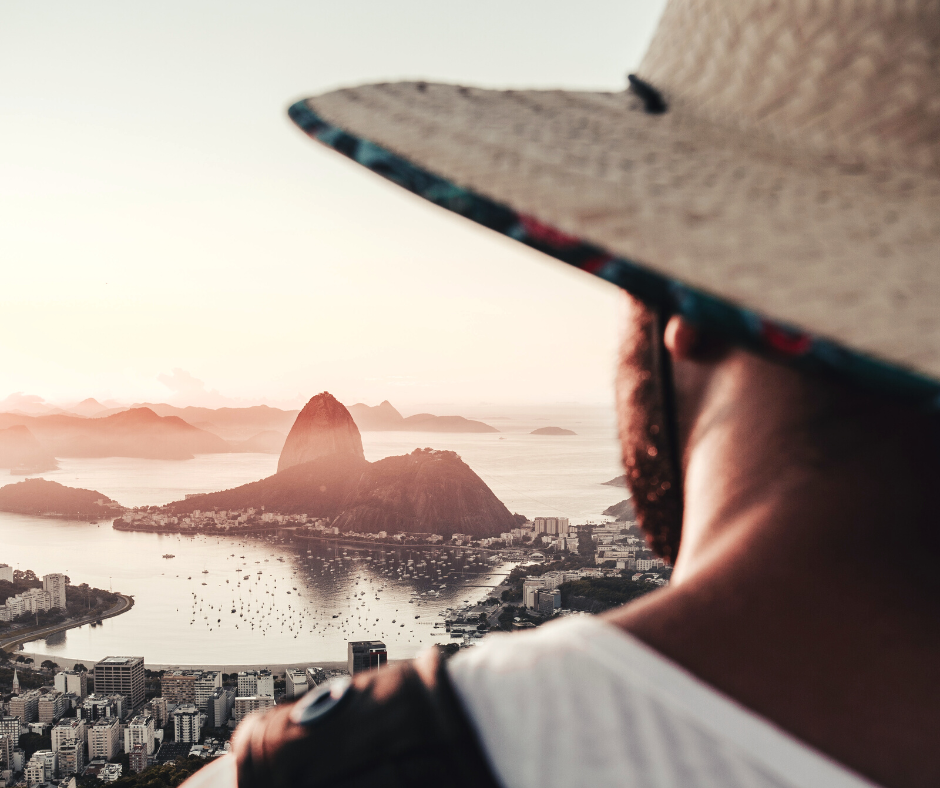
🧑🏻💻 Where to work from
Rio de Janeiro
- COMO Coworking in Botafogo: two buildings, quiet focus areas and a separate call zone, well liked by visiting nomads. Closed Mondays and weekends, which is worth knowing before you plan a week.
- Spaces Ipanema: the international chain, beachside, with an on-site café and reliable infrastructure. The safe choice rather than the interesting one.
Note for anyone working from an older guide: Selina closed all its Brazilian operations in February 2025. The Rio properties in Lapa and Copacabana were taken over and rebranded as Socialtel, and the Lapa site is itself closed until 2028. The Florianópolis property is being converted into apartments.
São Paulo
- Spaces Vila Madalena Pinheiros: open 24 hours, security on site, fast wifi and parking. The most consistently praised space in the city, though the day rate is steep and there is only one phone booth in the building.
- Estação Coworking Casa Mourato in Pinheiros: smaller and friendlier, weekdays 09:00 to 21:00, with two units in Vila Madalena.
Florianópolis
- Cool Office Lagoa in Lagoa da Conceição: central, good internet, and used to nomads dropping in for a day or a month. Around R$45 for a morning.
- Coworking Vinolum, also in Lagoa: quiet, with parking and lunch options nearby, open six days a week.
Pipa
- Nomad's Ville Mirante de Pipa: coworking and long stays combined, open 24 hours, a minute from the town center but surrounded by trees. By far the most established option, and the reviews run to hundreds. One thing to ask before booking a room: some suites sit above a bar that runs live music from late afternoon, and guests have measured it at genuinely disruptive levels.
- CAYA Cafe & Coworking on Largo São Sebastião: an open-air workspace with an air-conditioned room, which reviewers point out is a rarity in Pipa, plus the best coffee in town and plant-based options. Weekdays 08:00 to 17:00.
- Pipa CoWork on Rua do Anel Viário: self-service and rarely crowded. There is no reception, so you message the owner on WhatsApp and get an access code after paying. Fast internet, air-conditioned, decent location.
A note on cafés
Brazilian café culture is social rather than laptop-friendly, and outside the big cities you will find fewer places set up for a working day. Coworking is inexpensive here, so it is worth budgeting for rather than trying to work from cafés.
👥 Finding the community
Florianópolis has the densest nomad community in Brazil, and the coworking spaces in Lagoa da Conceição are the easiest way in. Rio and São Paulo both have active meetup scenes, though they skew towards local tech rather than visiting nomads.
Facebook remains the main channel in Brazil rather than Slack or Discord, and Portuguese-language groups are often more useful than English ones. WhatsApp does the rest: almost every coworking space and coliving runs a group.
🛜 Internet and SIM cards
Brazil has genuinely good connectivity. Fiber is widespread in cities, speeds are high, and prices are low by European standards. Florianópolis in particular has invested heavily and is among the best-connected cities in South America.
Vivo, Claro and TIM are the main operators. Prepaid plans with generous data cost around €10 to €15 a month, and all support eSIM. You will need a CPF, Brazil's tax ID number, for a local postpaid plan, though prepaid is usually available without one.
🌤 When to come
| J | F | M | A | M | J | J | A | S | O | N | D | |
|---|---|---|---|---|---|---|---|---|---|---|---|---|
| Rio & São Paulo | ⛅ | ⛅ | ⛅ | ☀️ | ☀️ | ☀️ | ☀️ | ☀️ | ☀️ | ☀️ | ⛅ | ⛅ |
| Florianópolis | ⛅ | ⛅ | ☀️ | ☀️ | ☀️ | ⛅ | ⛅ | ⛅ | ⛅ | ☀️ | ☀️ | ⛅ |
| Northeast | ☀️ | ☀️ | ☀️ | 🌧 | 🌧 | 🌧 | 🌧 | ⛅ | ☀️ | ☀️ | ☀️ | ☀️ |
| Amazon | 🌧 | 🌧 | 🌧 | 🌧 | 🌧 | ⛅ | ☀️ | ☀️ | ☀️ | ☀️ | ⛅ | 🌧 |
☀️ best time · ⛅ mixed · 🌧 wet
Remember the seasons are inverted. December to February is Brazilian summer, which means heat, humidity, afternoon storms in the southeast, and domestic holiday crowds pushing prices up in Florianópolis and along the coast. The southeast is at its best from April to June and September to November, when it is warm and dry without being oppressive.
Carnival moves each year but usually falls in February or early March. Accommodation prices in Rio and Salvador can triple, and much of the country stops working for a week.
🚌 Getting around
- Uber and 99: both operate nationwide and are cheap. 99 is the Brazilian app and often undercuts Uber.
- Metro: São Paulo has the best system in the country, and Rio's is good along the south zone corridor.
- Buses: extensive within cities and very cheap, though routes are hard to navigate without a local app.
- Long-distance buses: comfortable and the standard way to travel between cities. Book through ClickBus or Buser.
- Flights: Brazil is enormous, and Gol, LATAM and Azul make internal flights affordable. Rio to Florianópolis by bus is 17 hours and by plane 90 minutes.
- Car hire: worth it for the Northeast coast and the interior, not for the cities.
🚧 Safety and health
- Safety: Brazil requires more awareness than most destinations in this Guide, though the risk is heavily concentrated by area and time of day rather than being general. Keep your phone out of sight in the street, use Uber after dark rather than walking, do not wear jewelry or watches on the beach, and ask locals which streets to avoid. Most nomads have entirely uneventful stays.
- Healthcare: private care in the major cities is good and inexpensive by European standards, and Brazil has a strong medical sector. Public hospitals are free but under strain. Travel health insurance is not a visa requirement for tourists, but it is a practical necessity given how far you can be from a good hospital in the Northeast or the interior.
- Tap water: not drinkable in most of the country. Filtered water is standard in homes and coworking spaces.
- Mosquitoes: dengue is present and periodically epidemic. Repellent matters, particularly in summer.
- Yellow fever: vaccination is recommended for the Amazon, the Pantanal and parts of the interior.
- Emergency numbers: 190 for police, 192 for ambulance, 193 for fire.
Staying active
- Beach sport: Rio's beaches run on volleyball, futevôlei and running, and joining in is the fastest way to meet Brazilians.
- Surfing: Florianópolis has 42 beaches with breaks for every level, and Pipa is the Northeast equivalent.
- Hiking: Tijuca National Park sits inside Rio, and the Chapada Diamantina in Bahia is one of South America's best trekking regions.
- Gyms and jiu-jitsu: gyms are everywhere and cheap. Brazilian jiu-jitsu at the source is worth trying even once.
🎖 Must see
- Rio: Christ the Redeemer, Sugarloaf at sunset, and the Sunday street markets in Ipanema.
- Iguaçu Falls: on the Argentine border, and genuinely one of the great sights on the planet.
- The Amazon: river trips from Manaus, best from July to November when the water is lower.
- Chapada Diamantina: waterfalls, caves and plateau hikes in the Bahian interior.
- Salvador's Pelourinho: the colonial old town and the centre of Afro-Brazilian culture.
- Lençóis Maranhenses: white sand dunes filled with turquoise rain pools, best June to September.
❓ Frequently asked questions
Does Brazil have a digital nomad visa?
Yes. The VITEM XIV, created by Resolution CNIg/MJSP No. 45 and in force since January 2022. It runs for one year and can be renewed once.
How much income do you need?
$1,500 a month from foreign sources, or $18,000 in available savings. You only need to meet one of the two.
Will I pay tax in Brazil?
If you spend 184 days or more in Brazil within a 12-month period, you become a tax resident and owe Brazilian income tax on worldwide income at rates up to 27.5%. The nomad visa provides no exemption.
Where should I base myself?
Florianópolis for the strongest nomad community and the best internet, Rio for the setting, São Paulo for work and culture, the Northeast for the lowest costs.
Do I need to speak Portuguese?
More than in most destinations. English is limited outside business districts and tourist areas. Spanish helps less than people expect, since Brazilians often do not speak it.
When is the best time to visit?
April to June and September to November for the southeast. The Northeast is best from September to March. Avoid Carnival unless that is why you are coming.
Is Brazil safe for digital nomads?
With awareness, yes. Risk is concentrated in specific areas and after dark. Use ride-hailing at night, keep valuables out of sight, and take local advice on neighborhoods seriously.
Sarah KuhlemannSarah Kuhlemann Sarah Kuhlemann
 Sarah Kuhlemann
 Sarah Kuhlemann